

Acupuncture for Insomnia
Acupuncture for Insomnia in Boca Raton
Acupuncture treatment promotes relaxation with the goal of more restful nights and better daytime function.
Clinical review pending · Content updated
What Is Insomnia?
Insomnia is persistent difficulty with sleep despite adequate opportunity, resulting in daytime consequences such as fatigue, low mood, or trouble concentrating. It can be short-term (often tied to stress or a life change) or chronic, lasting months.
Sleep-quality scores and objectively measured sleep can differ. Persistent insomnia may involve sleep apnea, restless legs, medication effects or mood symptoms; cognitive behavioral therapy for insomnia and medical assessment are established parts of sleep care.
Acupuncture treatment for insomnia is built around more restful sleep, a calmer bedtime and steadier daytime function. Individualized point selection addresses the sleep pattern, physical tension and stress that keep nights unsettled. Treatment goals stay practical: less time awake, fewer disruptive awakenings and enough daytime energy for work, family and ordinary routines.
Difficulty falling asleep, repeated waking and waking too early have different contributors. Treatment begins with the pattern of your nights, sleep opportunity, medications, mood and daytime demands. Visits focus on a consistent wind-down routine, easier return to sleep, improved concentration and a more reliable day after a difficult night.
Common Causes
Stress and an Overactive Mind
Racing thoughts and a heightened stress response are among the most common drivers of trouble falling or staying asleep.
Irregular Schedule
Shift work, travel, and inconsistent bed and wake times disrupt the body’s internal clock.
Stimulants and Screens
Caffeine, nicotine, alcohol, and late-night screen light all interfere with the natural transition into sleep.
Pain or Physical Discomfort
Chronic pain, restless legs, or hot flashes can repeatedly interrupt sleep.
Anxiety and Mood
Anxiety and low mood are closely linked with insomnia, often feeding each other in both directions.
Hormonal Shifts
Menopause, thyroid changes, and other hormonal shifts frequently disturb sleep.
Symptoms
- Difficulty falling asleep
- Waking frequently during the night
- Waking too early and being unable to return to sleep
- Unrefreshing sleep
- Daytime fatigue or low energy
- Difficulty concentrating or remembering
- Irritability or low mood
- Worry about sleep itself
Risk Factors
- High stress or anxiety
- Irregular or shift-work schedules
- Caffeine, alcohol, or nicotine use
- Chronic pain conditions
- Menopause or hormonal changes
- Older age
- Excessive evening screen time
How We Help
Depending on your evaluation, your plan may draw on one or more of the following therapies, often beginning with Acupuncture.
Acupuncture treatment for insomnia focuses on more restful sleep, a calmer bedtime routine and steadier daytime function. Treatment is tailored to the sleep pattern disrupting your nights.
- More restful sleep and calmer nights
- Steadier daytime focus and energy
- Personalized care for your sleep pattern
Acupuncture Xperts is located in Boca Raton, serving patients from nearby communities including Delray Beach and Deerfield Beach.
What the Research Says
Selected research and clinical references for insomnia, with findings and links to the original publications.
Meta-Analysis
Acupuncture for chronic insomnia disorder: a systematic review with meta-analysis and trial sequential analysis
This review favored acupuncture over sham for subjective insomnia scores. Objective total sleep time did not clearly differ, and objective sleep findings remained uncertain. Better reported sleep and longer measured sleep are not interchangeable outcomes.
Yu Y, Li X, Zhu Z, et al. Acupuncture for chronic insomnia disorder: a systematic review with meta-analysis and trial sequential analysis. Front Neurol. 2025;16:1541276. View on PubMed →
Meta-Analysis
Efficacy of Acupuncture for Insomnia: A Systematic Review and Meta-Analysis
The review reported better insomnia scores than medication in some comparisons, with substantial variation between trials. The findings do not establish that everyone improves on the same schedule or should replace prescribed sleep treatment.
Kim SA, Lee SH, Kim JH, et al. Efficacy of Acupuncture for Insomnia: A Systematic Review and Meta-Analysis. Am J Chin Med. 2021;49(5):1135-1150. View on PubMed →
Study populations, comparison treatments and techniques matter. The references describe research or medical guidance; they do not guarantee an individual result or replace your existing care.
These summaries are educational and describe published research; they are not a guarantee of individual results.
Practical Self-Care
These options support everyday management of insomnia. Choose those that fit your diagnosis, current symptoms and existing care plan; not every item is appropriate for every person.
Rhythm
Consistent Sleep–Wake Schedule
- Go to bed and get up at the same times every day — including weekends.
- Get bright light (ideally daylight) within an hour of waking to anchor your body clock.
- Avoid long or late-afternoon naps, which borrow from nighttime sleep pressure.
How much: Same wake time, 7 days a week
Pre-Sleep
Wind-Down Routine
- Dim the lights and put screens away 30–60 minutes before bed.
- Do something calming and repeatable — reading, a warm shower, gentle stretching, or slow breathing.
- Keep the bedroom cool, dark, and quiet.
How much: 30–60 minutes before bed, nightly
Retraining
Stimulus Control
- Use the bed only for sleep (and intimacy) — not for working, scrolling, or watching TV.
- If you are awake and frustrated for about 20 minutes, get up, do something quiet and dim, and return only when sleepy.
- Repeat as needed, rather than lying in bed watching the clock.
How much: Every night, consistently
Inputs
Caffeine & Evening Habits
- Stop caffeine by early afternoon — its effects can linger 6+ hours.
- Limit alcohol near bedtime; it fragments sleep later in the night.
- Avoid large meals and vigorous exercise in the last couple of hours before bed.
How much: Adjust timing to your sleep schedule and sensitivity
Practical Self-Care
Prepare a sleep-care review
- Bring a brief sleep diary and medicine list.
- Mention gasping, snoring or severe daytime sleepiness.
- Ask whether assessment for a sleep disorder or CBT-I is appropriate.
How much: Use when relevant; follow your individual care plan
Stop any exercise that sharply increases pain, or causes numbness, tingling, or pain radiating into a limb, and consult a qualified provider. These general examples are educational and do not replace an individual evaluation.

Acupuncture Treatment for Insomnia
Personalized, non-surgical care from Dr. Winke and the Acupuncture Xperts team.
What to Expect
Your Care Journey
- 01
Initial Consultation
Care begins with a thorough conversation about your health history, lifestyle, and specific goals for addressing your insomnia.
- 02
Evaluation
We assess the underlying contributors — movement, posture, muscular patterns, and overall wellness — to understand what may be driving your symptoms.
- 03
Personalized Treatment
Based on your evaluation, we build a customized plan that may combine several complementary therapies suited to your individual needs.
- 04
Supporting Recovery
Beyond in-office care, we offer guidance on movement, ergonomics, and lifestyle adjustments to help support lasting results.
- 05
Our Approach
We focus on conservative, non-surgical, whole-person care aimed at addressing root contributors rather than only masking symptoms.
- 06
Why Patients Choose Us
Patients throughout South Florida choose Acupuncture Xperts for our individualized, integrative approach and our commitment to long-term wellness.
Frequently Asked Questions
No. CBT-I is a structured treatment for insomnia that addresses sleep habits and the patterns that maintain sleeplessness. Acupuncture is a separate option and should not be described as a substitute.
Tell your medical clinician. These symptoms can warrant evaluation for sleep apnea, especially with daytime sleepiness. A relaxation-focused appointment cannot determine or treat airway obstruction.
Record approximate bed and wake times, time awake, naps and daytime sleepiness. Keep it brief and avoid watching the clock all night. Bring medication and caffeine use to the discussion.
See a physician if insomnia is long-standing, if you snore loudly or gasp during sleep (possible sleep apnea), or if it comes with significant low mood or anxiety — these deserve dedicated evaluation.
We set goals around time awake, daytime function and a consistent sleep opportunity, then review the sleep record and any unwanted effects. When progress is useful, we can continue the focus; when it is limited, we can adjust the next step.
For a first acupuncture visit at Acupuncture Xperts, choose New Patient Acupuncture. Established acupuncture patients can choose Signature Acupuncture. Use the booking page to review other service options or contact the clinic if unsure.
When to Seek Professional Care
- Sleep problems persist for weeks despite good habits
- Daytime function is significantly affected
- You snore loudly or gasp/choke during sleep
- Insomnia comes with marked anxiety or low mood
- You are relying on alcohol or medication to sleep
- Sleepiness is affecting your driving or safety
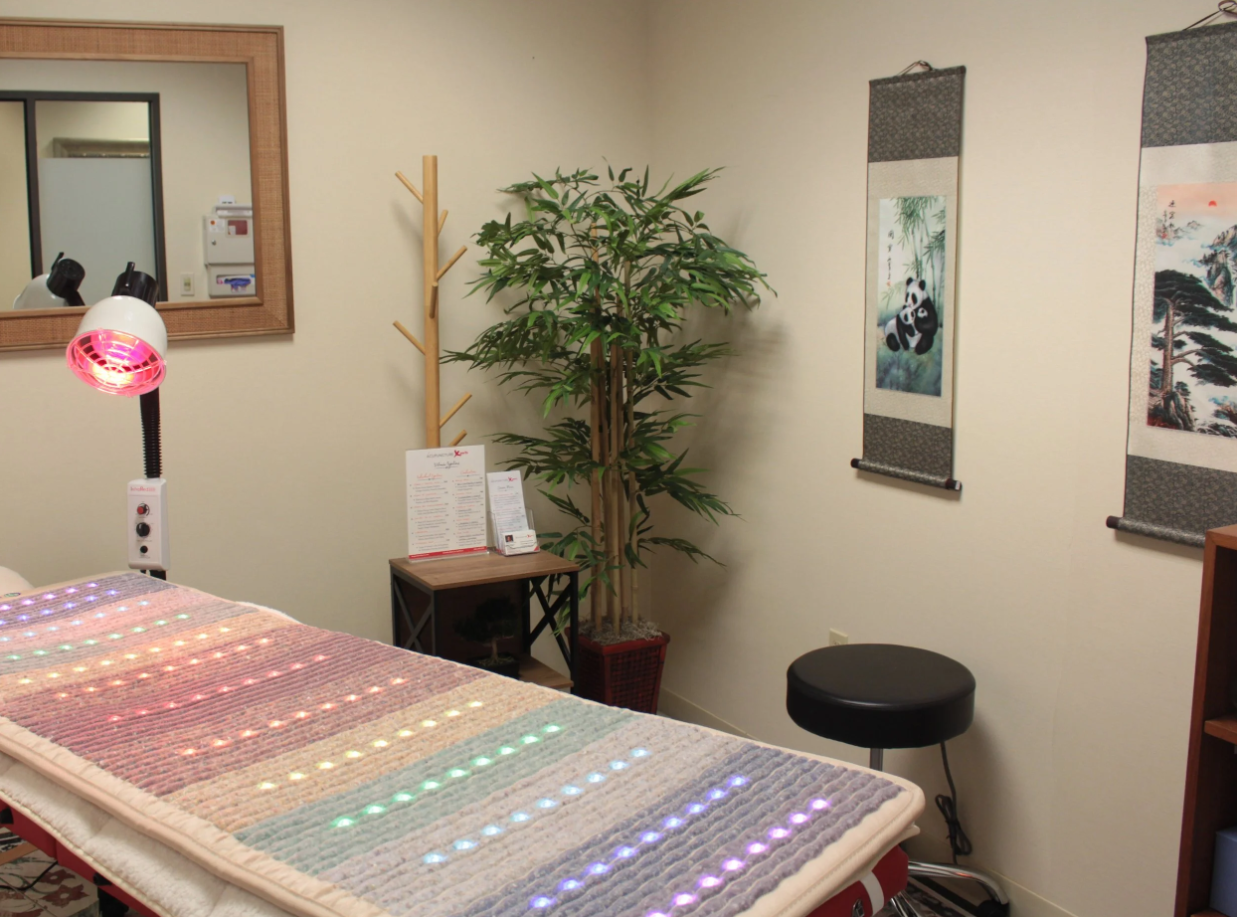
Schedule acupuncture treatment in Boca Raton to focus on better nights, a calmer bedtime routine and daytime function.
Bring a brief sleep record so follow-up can focus on time awake, daytime function and sleep opportunity.
Acupuncture Xperts can shape treatment around your sleep priorities and the routines that matter to you.
Have questions or ready to begin? Contact our Boca Raton clinic to get started.
Serving Boca Raton, Boynton Beach, Delray Beach, Highland Beach, Deerfield Beach, Palm Beach County.
Acupuncture Treatment for Insomnia
Book a visit and we’ll build a personalized plan together.