
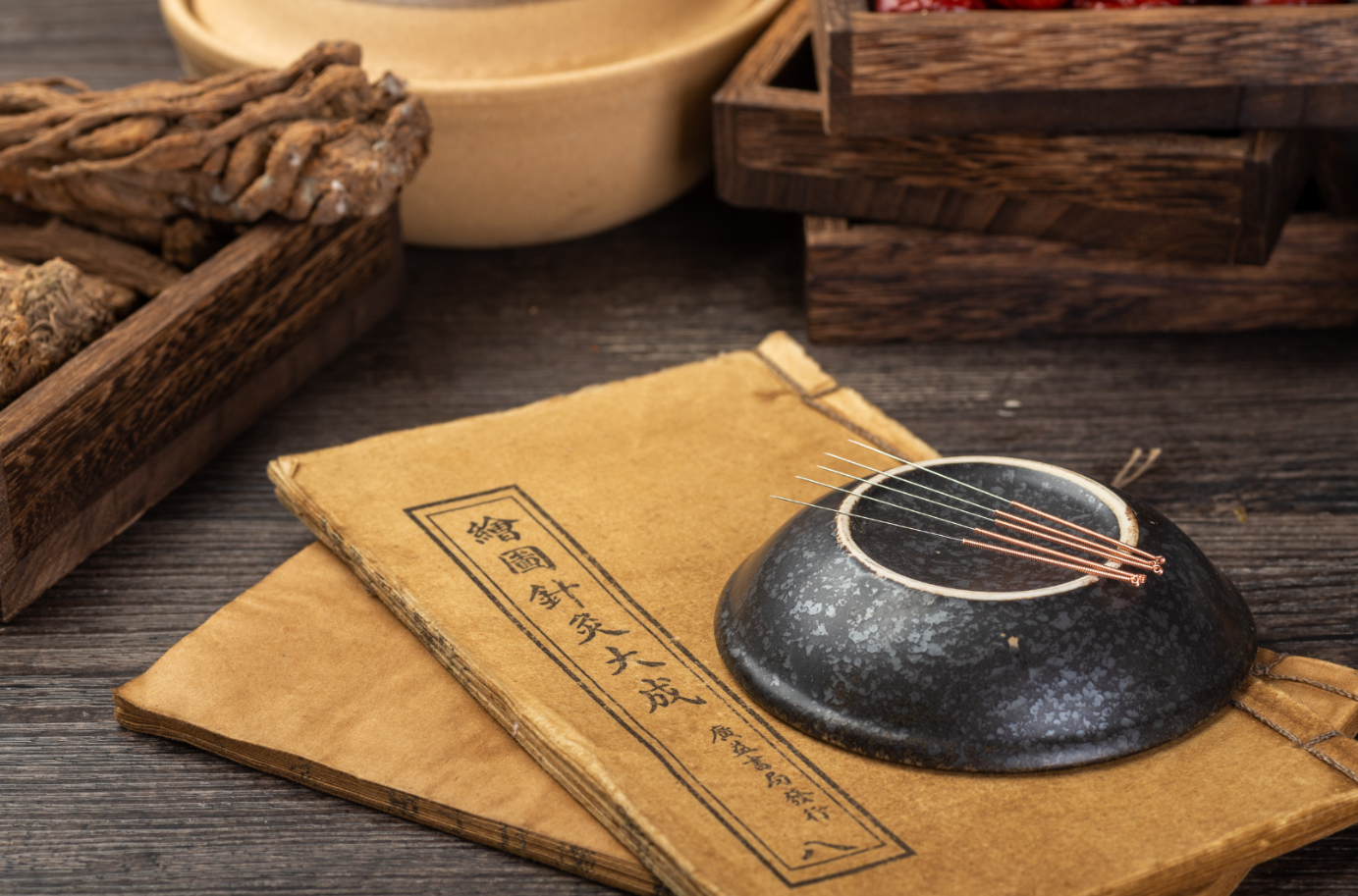
Acupuncture for Frozen Shoulder
Acupuncture for Frozen Shoulder in Boca Raton
Acupuncture targets shoulder pain and stiffness with treatment focused on easier movement and more comfortable rest.
Clinical review pending · Content updated
What Is Frozen Shoulder?
Frozen shoulder involves inflammation and thickening of the capsule surrounding the shoulder joint, which tightens and restricts movement. It classically progresses through stages: a painful "freezing" phase, a stiff "frozen" phase, and a gradual "thawing" phase as motion returns.
Both active movement and movement assisted by another person may be restricted. Symptoms and irritability change over time, so a stretch that is tolerable later may be too much during a painful stage. Assessment helps distinguish this from a rotator cuff problem.
Acupuncture treatment for frozen-shoulder pain is built around comfortable movement, better sleep and gradual rehabilitation. Individualized point selection addresses shoulder pain and surrounding muscular tension while each visit respects the stage and irritability of stiffness. Treatment goals follow the movements you want to regain, from dressing and reaching to lifting and daily self-care.
Frozen shoulder, or adhesive capsulitis, moves through painful, stiff and gradually loosening phases. Treatment is shaped by the range you have today, the movements that provoke symptoms and the rehabilitation plan guiding recovery. Visits focus on easier dressing, reaching overhead, lying on the affected side and completing home exercises while keeping a sensitive shoulder within its planned load.
Common Causes
Shoulder Immobilization
A period of not moving the shoulder — after an injury, surgery, or other arm problem — is a common trigger.
Diabetes
People with diabetes have a substantially higher risk of developing frozen shoulder, often more severe or on both sides.
Capsular Inflammation
Inflammation and thickening of the joint capsule progressively restrict movement.
Thyroid and Hormonal Factors
Thyroid disorders and hormonal changes are associated with a higher risk.
Age and Sex
It is most common between ages 40 and 60 and occurs more often in women.
Prior Episode
A frozen shoulder on one side raises the likelihood of the other shoulder being affected over time.
Symptoms
- Gradually increasing shoulder stiffness
- Deep, aching shoulder pain
- Pain that worsens at night
- Difficulty reaching overhead or behind the back
- Restricted movement in multiple directions
- Trouble with dressing, grooming, or fastening a seatbelt
- A shoulder that feels "stuck"
Risk Factors
- Diabetes
- Recent shoulder immobilization or surgery
- Age 40–60
- Female sex
- Thyroid disorders
- Prior frozen shoulder on the other side
How We Help
Depending on your evaluation, your plan may draw on one or more of the following therapies, often beginning with Acupuncture or Neuromuscular Therapy.
Acupuncture treatment for frozen-shoulder pain focuses on comfortable movement, sleep and gradual rehabilitation. Treatment is tailored to the stage of stiffness and the movements you want to regain.
- More comfortable shoulder movement
- Easier dressing, reaching and sleep
- Personalized care for your frozen-shoulder goals
Neuromuscular Therapy treatment for related muscle tension, focused on comfortable movement and rest. Pressure and positioning are tailored to the treatment area, skin condition and current activity restrictions.
Cupping treatment for surrounding muscle tension, focused on short-term comfort and easier movement. Fire or vacuum cupping is selected after reviewing skin condition, sensitivity and the area involved.
Acupuncture Xperts is located in Boca Raton, serving patients from nearby communities including Delray Beach and Deerfield Beach.
What the Research Says
Selected research and clinical references for frozen shoulder, with findings and links to the original publications.
Systematic Review
The Effectiveness of Acupuncture in the Treatment of Frozen Shoulder: A Systematic Review and Meta-Analysis
The frozen-shoulder review found some pain, function and movement improvements, but rated the evidence very low quality. Not all movement outcomes improved. It does not show that acupuncture rapidly resolves capsular stiffness.
Ben-Arie E, Kao PY, Lee YC, Ho WC, Chou LW, Liu HP. The Effectiveness of Acupuncture in the Treatment of Frozen Shoulder: A Systematic Review and Meta-Analysis. Evid Based Complement Alternat Med. 2020;2020:9790470. View on PubMed →
Randomized Trial
Immediate Pain Relief in Adhesive Capsulitis by Acupuncture-A Randomized Controlled Double-Blinded Study
The study reported immediate pain relief with a particular acupuncture approach in adhesive capsulitis. Its later treatment observations should not be treated as definitive evidence of a shortened recovery time for all frozen-shoulder patients.
Schröder S, Meyer-Hamme G, Friedemann T, et al. Immediate Pain Relief in Adhesive Capsulitis by Acupuncture—A Randomized Controlled Double-Blinded Study. Pain Med. 2017;18(11):2235-2247. View on PubMed →
Study populations, comparison treatments and techniques matter. The references describe research or medical guidance; they do not guarantee an individual result or replace your existing care.
These summaries are educational and describe published research; they are not a guarantee of individual results.
Movement & Self-Care
These options support everyday management of frozen shoulder. Choose those that fit your diagnosis, current symptoms and existing care plan; not every item is appropriate for every person.
Mobility
Pendulum Swings
- Lean forward slightly, supporting yourself with the good arm on a table, and let the affected arm hang relaxed.
- Using your body, not the shoulder muscles, gently swing the arm in small circles and back-and-forth.
- Keep it loose and pain-free, letting gravity do the work.
How much: 1–2 minutes, several times daily
Use only if cleared for your condition. Stop for sharp pain, new numbness, weakness or a lasting flare.
Stretch
Cross-Body Stretch
- Bring the affected arm across your chest.
- Use the other hand to gently support the upper arm and draw it a little closer.
- Hold at a comfortable stretch — not into sharp pain.
How much: 3–5 holds of 20–30 seconds, 2–3 times daily
Use only if cleared for your condition. Stop for sharp pain, new numbness, weakness or a lasting flare.
Range
Assisted Wall / Finger Walk
- Facing a wall, "walk" the fingers of the affected arm slowly up the wall as high as comfortable.
- Let the shoulder blade move naturally; do not shrug.
- Lower with control and repeat, aiming for gradual gains over weeks.
How much: 5–10 reps, twice daily
Use only if cleared for your condition. Stop for sharp pain, new numbness, weakness or a lasting flare.
Stretch
Towel Internal-Rotation Stretch
- Hold a towel behind your back, good hand up over the shoulder, affected hand low behind the waist.
- Gently use the top hand to draw the towel (and the affected arm) upward.
- Stop at a comfortable stretch and hold.
How much: 3 holds of 20–30 seconds, once or twice daily
Ease off if any stretch causes sharp or lasting pain — frozen shoulder flares easily with force.
Practical Self-Care
Make dressing less demanding
- Choose clothing and task positions that do not force the arm behind the back.
- Use the comfortable arm to assist when needed.
- Report prolonged pain after stretching to your therapist.
How much: Use when relevant; follow your individual care plan
Use only if cleared for your condition. Stop for sharp pain, new numbness, weakness or a lasting flare.
Stop any exercise that sharply increases pain, or causes numbness, tingling, or pain radiating into a limb, and consult a qualified provider. These general examples are educational and do not replace an individual evaluation.

Acupuncture Treatment for Frozen-Shoulder Pain
Personalized, non-surgical care from Dr. Winke and the Acupuncture Xperts team.
What to Expect
Your Care Journey
- 01
Initial Consultation
Care begins with a thorough conversation about your health history, lifestyle, and specific goals for addressing your frozen shoulder.
- 02
Evaluation
We assess the underlying contributors — movement, posture, muscular patterns, and overall wellness — to understand what may be driving your symptoms.
- 03
Personalized Treatment
Based on your evaluation, we build a customized plan that may combine several complementary therapies suited to your individual needs.
- 04
Supporting Recovery
Beyond in-office care, we offer guidance on movement, ergonomics, and lifestyle adjustments to help support lasting results.
- 05
Our Approach
We focus on conservative, non-surgical, whole-person care aimed at addressing root contributors rather than only masking symptoms.
- 06
Why Patients Choose Us
Patients throughout South Florida choose Acupuncture Xperts for our individualized, integrative approach and our commitment to long-term wellness.
Frequently Asked Questions
No. Forcing an irritable shoulder can aggravate symptoms. Work within the range and intensity agreed with your clinician, and report prolonged pain after exercise.
It may be used alongside rehabilitation if appropriate. Share the current exercise plan and restrictions so symptom-focused treatment supports the same goals.
Easier dressing, reaching and sleep can matter before full movement returns. Compare changes over time; the course varies and persistent limitations may need reassessment.
Usually yes, but slowly — often over one to three years through the freezing, frozen, and thawing stages. Supportive care aims to ease pain and maintain as much motion as possible along the way.
Frozen shoulder is notably more common in people with diabetes, likely related to how elevated blood sugar affects connective tissue. If you have diabetes, mention it — cases can be more stubborn and benefit from steady care.
If the shoulder is severely restricted, not improving, or the diagnosis is uncertain, an orthopedic evaluation can confirm frozen shoulder and discuss options such as guided injections or, rarely, procedures.
We set goals around dressing, reaching, sleep and comfortable movement, then review those changes and any unwanted effects at follow-up. When progress is useful, we can continue the focus; when it is limited, we can adjust the next step.
For a first acupuncture visit at Acupuncture Xperts, choose New Patient Acupuncture. Established acupuncture patients can choose Signature Acupuncture. Use the booking page to review other service options or contact the clinic if unsure.
When to Seek Professional Care
- Shoulder stiffness is steadily worsening
- Pain significantly disrupts sleep
- You cannot perform daily tasks like dressing
- Symptoms are not improving over time
- The shoulder was recently injured
- You have diabetes and new shoulder stiffness
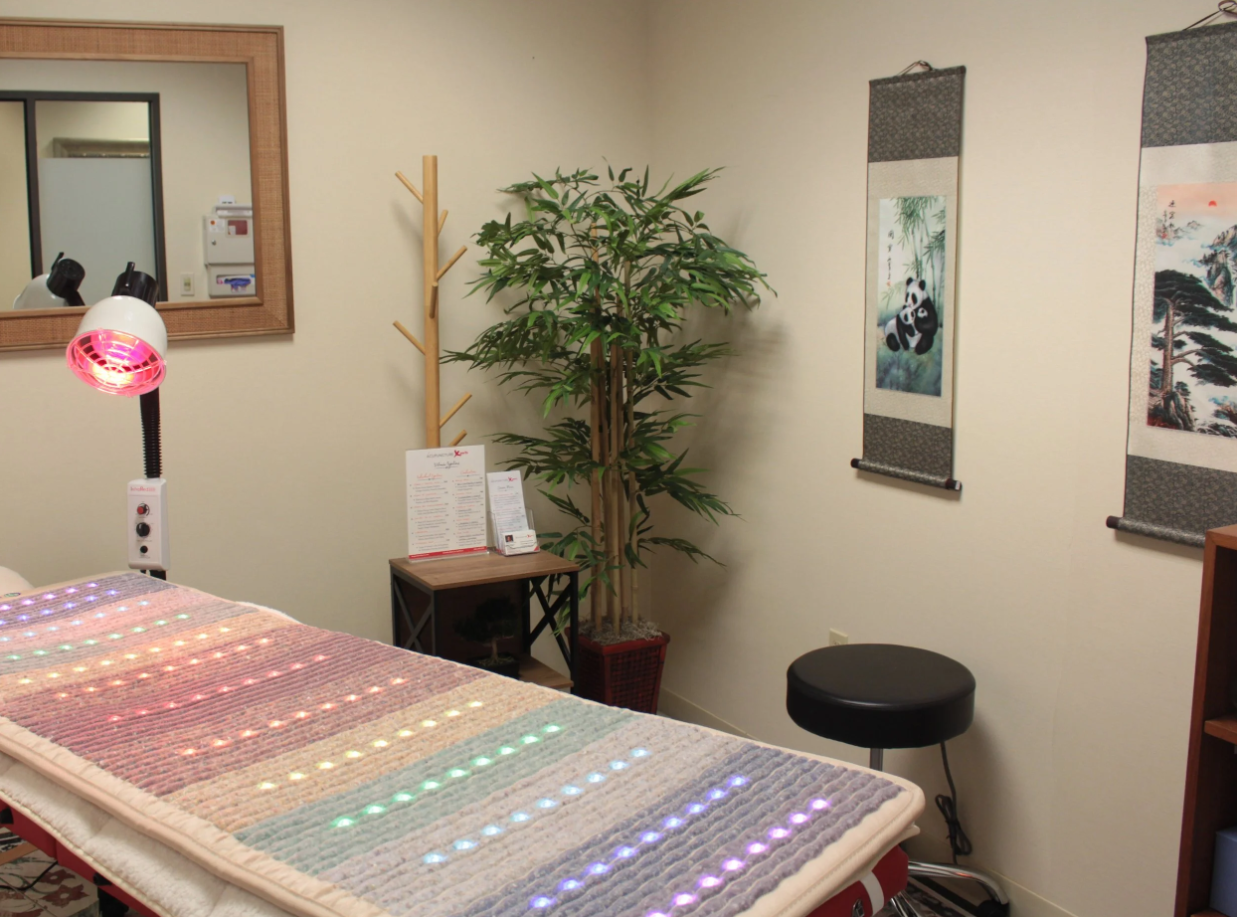
Schedule acupuncture treatment in Boca Raton to focus on frozen-shoulder pain, comfortable movement and gradual rehabilitation.
Bring dressing, reaching, sleep and range-of-motion changes to follow-up so progress stays connected to useful activity.
Acupuncture Xperts can tailor treatment goals to the stage of stiffness and the movements you want to regain.
Have questions or ready to begin? Contact our Boca Raton clinic to get started.
Serving Boca Raton, Delray Beach, Highland Beach, Boynton Beach, Deerfield Beach, Palm Beach County.
Acupuncture Treatment for Frozen-Shoulder Pain
Book a visit and we’ll build a personalized plan together.